
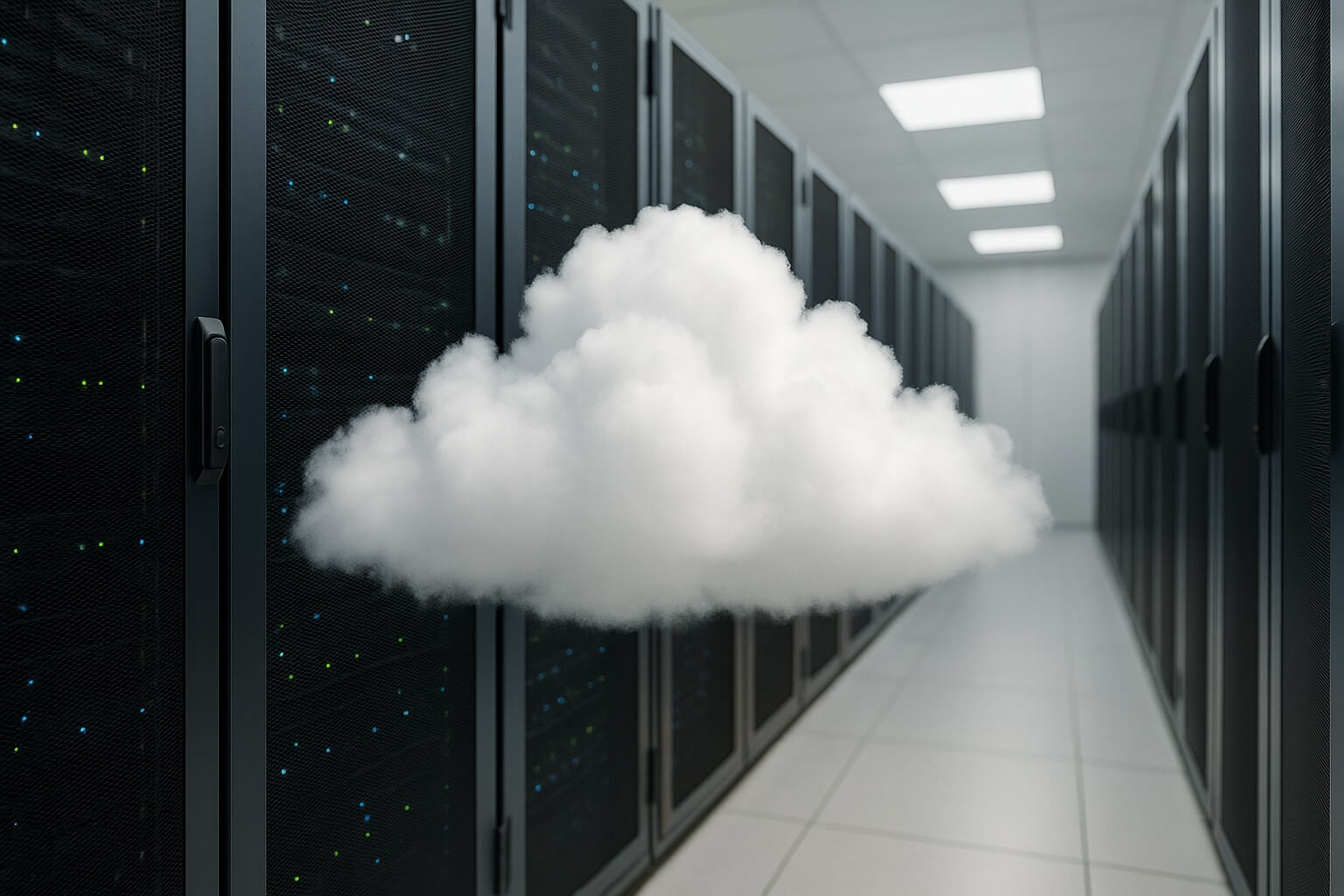
VPS for data storage







Virtual Servers for data storage
Virtual servers with additional HDD storage for backups, archives, and media
Storage S



Storage M
Storage L
Same hardware. Same price. All 7 locations.
Choose your location by ping, not by price tag.
VPS Configurator
Build your perfect virtual server
CPU Cores
Processing power for your applications
RAM Memory
Fast memory for running OS and applications
SSD Storage
High-speed SSD storage for your data
HDD Storage
Additional storage for cold data like backups and archives
Configuration Summary
These parameters can still be changed during server usage
Every VPS includes
All our virtual servers come with these features at no extra cost
Advanced features
Snapshots
Before making changes on your cloud VPS server, you can create a snapshot. If something goes wrong, you can roll back to a stable state in just a few clicks. This feature is included in the server price.
Web Console
Access your virtual server's console directly from the browser, without plugins, even from a mobile device. With the web console you can install an OS or manage the server if RDP/SSH access is unavailable.
Virtual Private Networks
Combine VPS servers into private networks to build high-availability clusters. By default, each server is isolated, but we provide the option to unite them into an L2 network, even across different XServer locations.
Automatic Backups
Virtual servers are backed up automatically. To restore, simply choose a date and click the button. Daily backups are also available for just $5 per month — reliable protection for your data and services.
Frequently Asked Questions
Find answers to the most common questions about our services
VPS for Data Storage
A regular VPS runs into a simple problem: space on fast SSD and NVMe drives is expensive, and storing hundreds of gigabytes of files there is like keeping your winter clothes in a safe. For workloads like these, we offer a dedicated solution — additional HDD storage, where a gigabyte costs several times less than on SSD. Attach a disk of whatever size you need and store as much as you want, without paying for speed where it isn't needed.
The recommended setup is simple: the operating system and applications live on fast SSD/NVMe — so the server boots and runs snappily — while bulk data sits on HDD. The best of both worlds at a sensible price.
What HDD Storage Is Good For
- Personal or corporate cloud — Nextcloud or Seafile on your own server: team files, sync, shared folders. Full control over your data instead of a Dropbox subscription with someone else's rules.
- Media libraries — photo and video archives, music collections, libraries for Plex or Jellyfin. Media files are read sequentially, and HDDs handle that beautifully.
- Backup target — a reliable destination for backups of other servers, workstations, or a NAS. A separate site in a different data center is the right strategy for storing copies.
- Archives and document storage — scans, reports, logs, old projects: everything that needs to be kept for years and opened occasionally.
- File sharing and distribution — serving updates, images, and large files to clients or employees.
- Application data — user uploads, attachments, exports: all the bulky data your service generates that doesn't need NVMe speeds.
Why It Beats the Alternatives
Cloud storage services charge monthly for every terabyte, plus separately for download traffic. Expanding SSD space on a regular VPS is costly. And a dedicated server with large disks is unjustifiably expensive compared to a virtual one. HDD storage on a VPS covers the middle ground: large capacity at a small price, unmetered traffic on a 100 Mbps port (upgradable to 1 Gbps), and full control over your data — your own server, your own file system, your own encryption if you want it.
How to Size the Configuration
Storage doesn't need heavy compute: file workloads get by with modest vCPU and memory, so most of the budget goes into the disks themselves. A few rules of thumb: Nextcloud for a handful of users runs fine on a minimal configuration with a couple hundred gigabytes of HDD; a media server like Plex benefits from extra vCPUs if you plan to transcode video on the fly; a backup target needs almost no compute at all — just space. Storage capacity can be expanded as it fills up — start with a realistic estimate rather than a "just in case" buffer.
When to Consider Other Configurations
If your data is a busy database handling thousands of queries per second, it needs fast disks and plenty of memory: look at High Performance. If the server is primarily for a website and files are secondary, start with a VPS for websites and add HDD in the configurator. And if you're keeping critical data in a single copy — enable daily backups: HDD storage protects your budget, but not against accidental deletion.
Build Your Storage
Pick your HDD size in the configurator — from 100 GB to 2 TB per server — and within minutes you'll have your own storage in a reliable data center. XServer Cloud — store a lot, pay a little.